Water companies
The land upstream of your abstractions and treatment works, and the nutrient pressure your catchment teams are asked to manage at source.
Put your environmental commitments to work on the land that feeds the rivers you depend on. Delivered by a community interest company, field by field, measured every year, and reported to you in a form you can use in your ESG, sustainability and nature reporting.
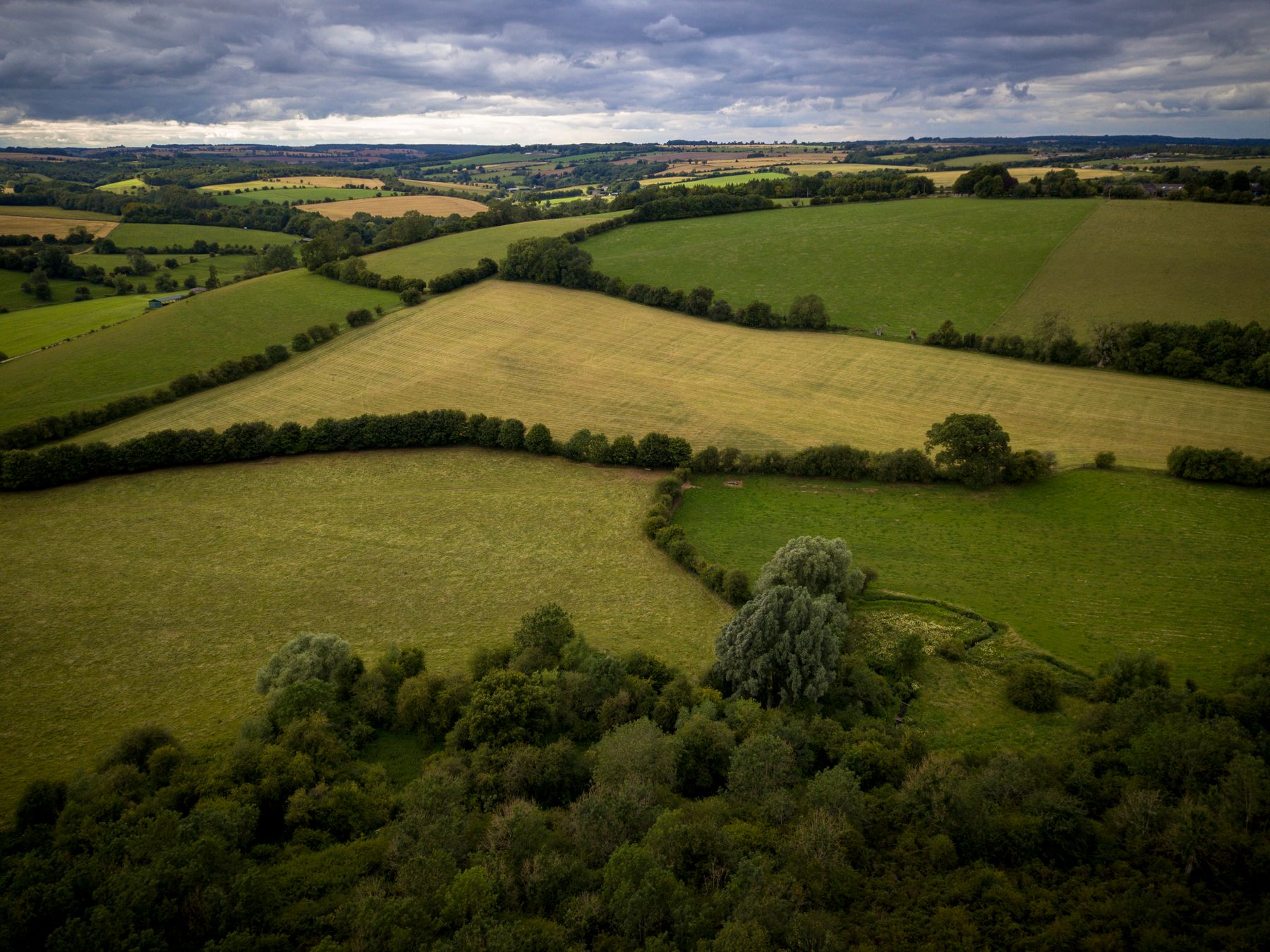
Around 60 per cent of the nitrogen reaching England’s rivers comes off farmland, and phosphate travels attached to the soil particles that wash off it. A treatment works can only clean what reaches the pipe. The run-off from the land is the pressure it cannot solve, and it is the one a partner can act on directly.
Sources: Environment Agency, Defra and The Rivers Trust. The wider record, with every source listed, is on The problem and evidence.
A partner funds the work on the ground in a catchment that matters to them. We find the land most at risk with a purpose-built water model, work with the farmers who manage it, rebuild the soil’s living structure with a biological soil inoculant, and measure what changes, year on year. The land stays in full production throughout.
The water model ranks every field in the catchment by how much of its run-off reaches the water, so the work starts where the pressure is highest.
Farmers join voluntarily, whole fields at a time. Each field is mapped and its starting condition recorded before anything is applied.
One application a year builds the soil’s living structure: deeper roots, more organic matter, and ground that holds the rain and the nutrients instead of shedding them.
Every field is recorded and measured year on year, and the results come to you as a partner report you can cite.
Most environmental partnerships give a business a logo and a line in a report. This one gives you a named place, a measured change, and the records behind it.
| What | What it means for you |
|---|---|
| A named catchment | The farms, the fields and the hectares under restoration, on a map, in a catchment you can point to. |
| Field level records | What was applied, where and when, on every field, held for the life of the partnership. |
| Measured indicators | Soil structure, organic matter, water infiltration and earthworm counts, alongside the inputs each farmer applies, tracked year on year against the starting condition. |
| An annual partner report | Written to be cited in your ESG, sustainability or nature reporting, with the method and the sources attached, so your auditors can follow it. |
| The right to visit | See the fields and the soil pits for yourself, with the farmers who manage them. |
| The public story | Your partnership named on this site and in the catchment, if you want it to be. |
Rivers respond to what happens on the land over years, not months, and the signal is hard to separate from the weather and from everything else going on in a catchment. So we do not promise river-scale water quality results inside a partnership term, and we would be wary of anyone who did. What we report is what we measure on the land: the fields restored and the change in the soil, year on year.
The land upstream of your abstractions and treatment works, and the nutrient pressure your catchment teams are asked to manage at source.
The farms in your supply chain and the water they sit on, for the nature and water commitments you have already made.
Soil that holds the rain slows the flow off the land. The ground upstream of the homes, roads and assets you cover.
A named place, a measured change and a report you can cite, rather than a certificate from somewhere you have never been.
A company whose assets are locked to its purpose by law, delivering on the ground and reporting every year on what it has done.
Restore your own land, keep it in full production, and report the change to your own stakeholders with the records to back it.
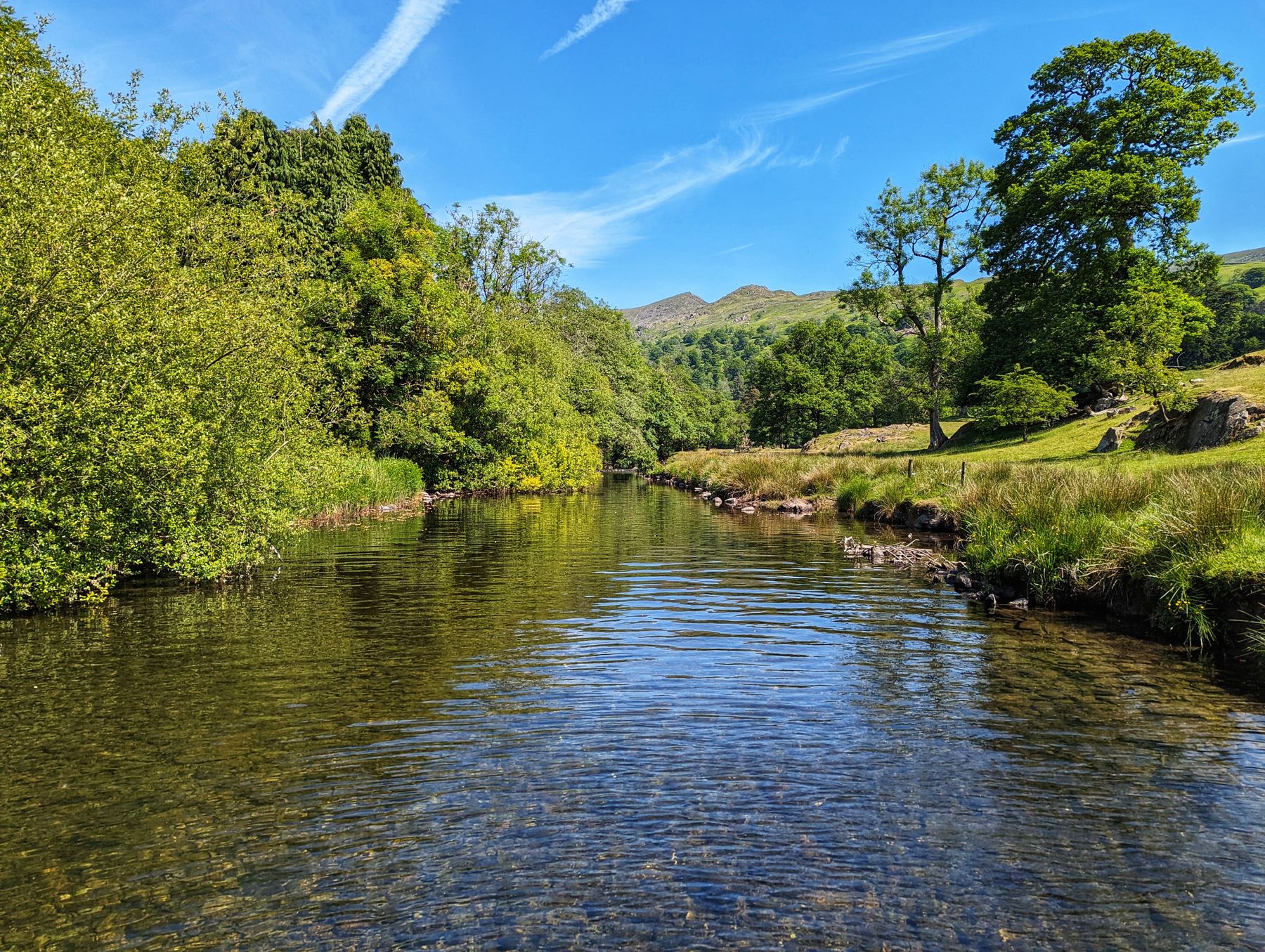
The Soil First Initiative is a community interest company, registered in England and Wales as Soil First Initiative CIC, company number 17446391. Its assets are locked to its purpose by law and cannot be distributed to private owners. It reports each year to the Regulator of Community Interest Companies on the benefit it has delivered. That is the structure funders, water companies and public bodies already trust, and it is why we chose it.
A partnership is sized by land, not by badge: from a cluster of farms to a whole management catchment. Every partnership is a paid contract for work on the ground, priced by the hectares restored, and every pound is accounted for in the annual report.
Tell us who you are and where your interest lies, and we will come back to you to arrange a scoping conversation. There is no commitment in asking.
EnquiriesUse the form, and we will come back to you.
FarmersIf you farm or manage land, the main contact form is the quicker route.